Introduction
Welfare groups play an important role in Kenyan society. From helping families during difficult times to organizing savings, managing contributions, and supporting members through life's important moments, these groups demonstrate the power of people working together.
However, managing a welfare group effectively requires more than commitment and goodwill. Member records must be maintained, contributions tracked, financial transactions reconciled, and welfare activities coordinated. As groups grow, these responsibilities can become increasingly demanding.
Meet SwelMa, a digital welfare management platform designed to help welfare groups organize their activities, improve record-keeping, and move towards smarter, more professional management.
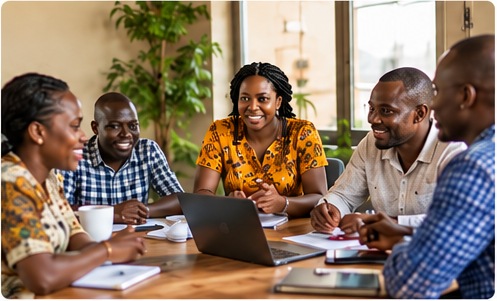
The Challenges of Managing a Welfare Group Manually
Many welfare groups depend on exercise books, handwritten registers, and manual calculations to manage their daily activities. As membership grows, these methods can become difficult to maintain.
Tracking Contributions
Recording payments, verifying transactions, and maintaining accurate financial histories.
Time-Consuming Reconciliation
Comparing M-Pesa messages, bank transactions, and manual entries can be tedious.
Finding Old Records
Retrieving historical information can be difficult when records are scattered.
Administrative Workload
Officials spend valuable time on paperwork instead of serving members.
About SwelMa
SwelMa is designed to help welfare groups bring essential administration into one more organised digital workflow. The aim is simple: make it easier to maintain useful records, understand group activity, and support informed decisions.
Member Management
Reliable member records help group officials keep track of membership information and maintain continuity as responsibilities change. Digital records can make information easier to locate and update than paper files alone.
M-Pesa Contribution Tracking
M-Pesa messages may mask the middle digits of a sender's phone number. SwelMa's matching workflow can use available details—such as the visible first four and last three digits, member name, transaction details, and existing member records—to help identify a likely contributor.
Bank Integration
Banking integrations can help reduce manual work by supporting the movement of transaction information into a group's workflow. The exact capabilities depend on the bank, the approved integration, and which services have been enabled for SwelMa.
Financial Accountability
Clear, consistently maintained records help officials explain contributions and expenditure to members. A well-organised history supports transparency, easier review, and more informed group decisions.
Welfare Activities
Welfare groups exist to support people. Better administration gives officials more time to coordinate support, communicate with members, and focus on the needs that brought the group together.
Save Time and Reduce Repetitive Work
Digitising repetitive tasks can reduce the time spent searching through books and reconciling separate records. The goal is not to replace the people who make a group strong, but to give them better tools.
Who Should Use SwelMa?
SwelMa is intended for welfare groups, chamas, and self-help groups that want to improve the way they organise members, track contributions, and manage group activities.
The Future of Welfare Group Management
As community groups adopt digital tools, accessible records and dependable workflows can help them grow while keeping members informed and involved.
Conclusion
Strong welfare groups are built on trust, commitment, and people supporting one another. SwelMa aims to support that work with more organised digital management—so group officials can spend less time wrestling with paperwork and more time serving their communities.
Give your welfare group a smarter way to work.
Explore how digital tools can support clearer records and better organisation.